
Hijab Hair Loss: The Real Causes, and What Actually Helps

It's a question many hijabis have quietly wondered about, rarely out loud. The reassuring answer, borne out by dermatologists who've studied it closely, is that the hijab itself isn't the cause. What can contribute to thinning or breakage are a handful of specific, entirely avoidable habits that tend to accompany it, tight styling, the wrong fabric against the hairline, and hair that rarely gets to breathe.
In short: hijab-related hair thinning is almost always down to two things:
- Sustained tension and friction on the hairline
- Trapped moisture from certain fabrics.
Both are preventable, and both respond well to considered changes in styling and fabric choice, which is exactly what this guide sets out.
Understanding What's Actually Happening
Two mechanisms come up consistently in dermatology sources on this subject, and neither is the hijab itself.
Traction alopecia, when tension becomes the problem
This is hair loss caused by sustained pulling or tension on the hair follicle, most often from tight buns, ponytails, or an undercap worn snugly for hours at a time. Held for months and years, that quiet, persistent tension can weaken follicles, particularly around the hairline and temples. It's the same mechanism behind hair loss from tight braids, the hijab isn't unique here. It's the tightness beneath it that matters.
Friction and trapped moisture, the fabric factor
The second factor sits with the fabric itself. A coarser or less breathable weave creates more friction against the hair as it moves throughout the day, which can lead to gradual breakage. Fabrics that trap heat and moisture against the scalp compound the issue, sweat and warmth have nowhere to go, creating conditions that some sources link to irritation and thinning when it happens consistently, day after day.
Both are genuinely preventable, and both come down to choices well within your control.
Early Signs Worth Noticing
Hijab-related hair thinning tends to announce itself quietly, long before it becomes obvious. Knowing what to look for makes it far easier to catch early, when the simplest changes still make the biggest difference.
- Increased shedding specifically around the hairline or temples, rather than evenly across the scalp
- Tenderness or soreness where hair is regularly tied tightly or where an undercap sits snugly
- Visible thinning in a defined band, tracing exactly where a tight hijab or undercap edge sits
- Breakage rather than root loss, shorter, wispy strands near the hairline rather than full strands falling out
None of these are cause for alarm on their own, they're simply the body's early signal that something in the daily routine, most often tension or friction, needs a gentler touch.
The Bamboo Jersey Hijab, a Gentler Choice for Hair Health
Fabric plays a quieter role in this than most people realise. Coarser or synthetic weaves create more friction as they move against the hair, while soft, natural fibres are gentler by comparison. Breathability matters just as much, a fabric that allows air to circulate reduces the trapped heat and moisture that can affect scalp health over time.

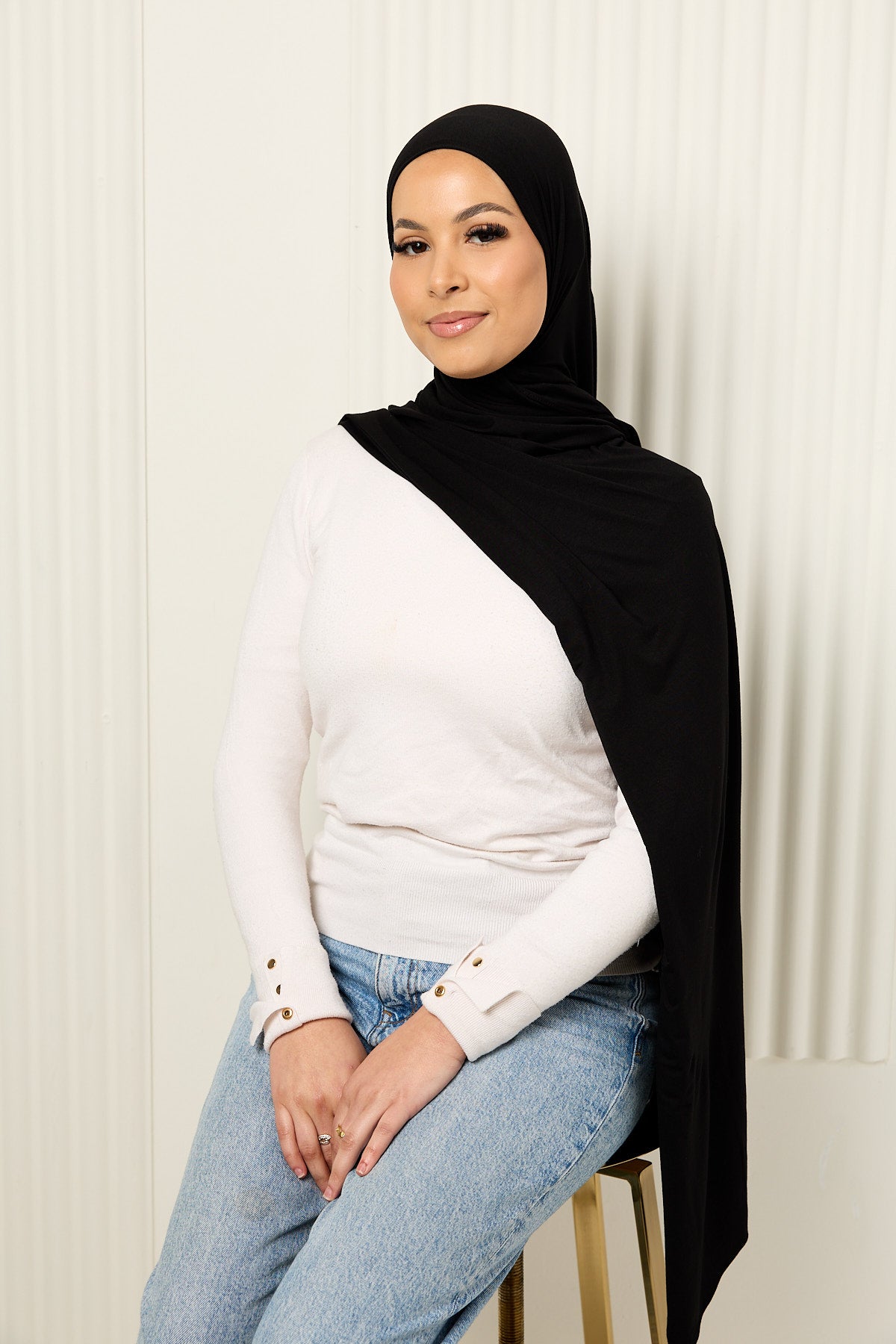
This is where the Bamboo Jersey Hijab earns its place. It's hypoallergenic, highly moisture-absorbent, and quick-drying, with a texture that sits closer to silk or ultra-soft cotton than a typical jersey. No fabric can undo the effects of years spent in a tight ponytail, that's a matter of habit, not material, but a gentler, moisture-wicking fabric against the scalp is a considered, effortless change for anyone mindful of friction or trapped moisture. It's available in 12 colours at 180cm x 70cm.
Building a Considered Routine
Fabric is only part of the picture. A few unhurried adjustments to daily habit make a meaningful difference alongside it.
- Loosen your styling underneath. A loose braid or a low, gentle style carries far less tension through the hairline than a tight bun or high ponytail, and it's the single change most likely to reduce the risk of traction alopecia over time
- Add a soft barrier layer. A well-fitted undercap reduces direct friction between hijab and hair
- Let hair dry fully before covering it. Damp hair is more fragile and more prone to friction, a few extra minutes before wrapping is a small habit with a real effect
- Give your scalp a little uncovered time when you can. Even a short daily interval helps air circulate and eases the conditions that contribute to scalp discomfort
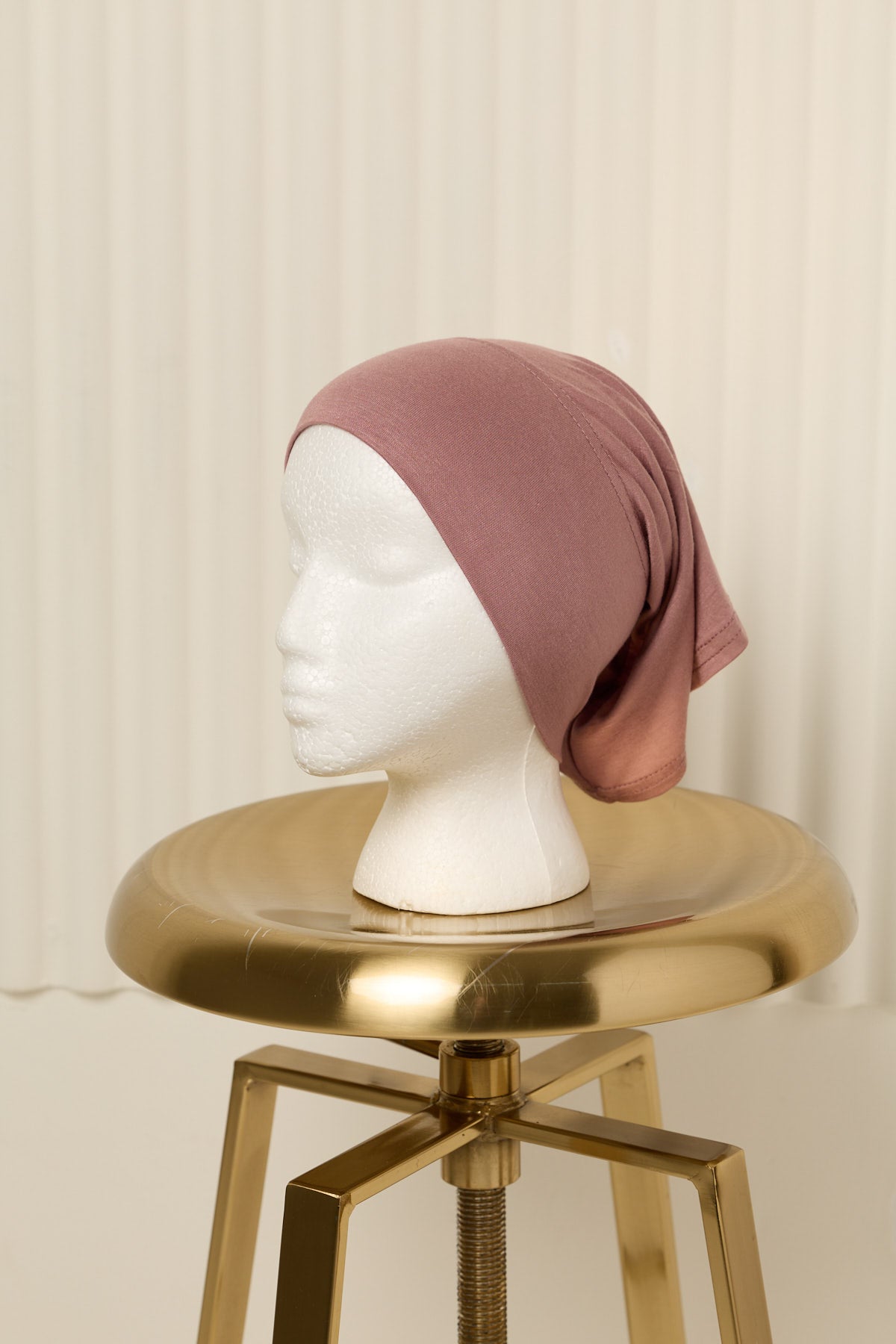
The Emirati Jersey Under Cap is cut from a jersey and spandex blend for a close, comfortable fit, available in 20 colours, a simple way to put the barrier-layer habit above into practice without adding bulk or heat.
When to See a Professional
Most hijab-related hair thinning is gradual, habit-driven, and responds well to the changes above within a few months. It's worth understanding, though, where the line sits between everyday shedding and something that deserves proper attention.
A dermatologist or GP appointment for hair thinning typically involves a short conversation about your styling habits and hair history, followed by a close look at the scalp itself, checking the pattern of thinning, whether follicles are still present, and whether the hairline shows signs of scarring. In some cases, they may suggest a simple blood test, since thinning hair can occasionally point to something unrelated to styling altogether, such as low iron or a thyroid imbalance, both entirely treatable once identified.
It's worth booking that conversation if any of the following apply:
- The thinning is sudden or patchy, rather than a gradual, even change over months
- The scalp is persistently sore, itchy, or inflamed, beyond the odd tender day
- There's no improvement after several months of looser styling and a gentler fabric routine
- Hair loss extends beyond the hairline into areas not typically covered or tied
Early attention rarely means anything serious, it simply means ruling things out and getting guidance specific to your hair, which is always the more reassuring outcome than waiting and wondering.
Frequently Asked Questions
Does wearing a hijab cause hair loss?
Not directly. Dermatologists generally agree the hijab itself isn't the cause, it's the habits that often accompany it, tight styling, friction from certain fabrics, and reduced airflow to the scalp, that can contribute to thinning over time.
What is traction alopecia?
It's hair loss caused by sustained tension on the hair follicle, typically from tight hairstyles such as high buns or ponytails. It's preventable by moving to looser styles and easing how snugly hair is tied beneath a hijab or undercap.
Is hijab-related hair thinning reversible?
In its early stages, generally yes. Once the tension or friction causing it is removed, most hair regrows over several months. Longstanding traction alopecia can take longer to recover from, which is exactly why noticing the early signs matters.
What's the best hijab fabric to reduce hair damage?
Soft, breathable, moisture-wicking fabrics are gentler on hair than coarse or synthetic ones. Bamboo is a particularly strong choice, its natural moisture absorption and quick-drying properties reduce the trapped heat and friction that can contribute to breakage.
Should hair be worn down or tied up under a hijab?
Either can work well, the key is avoiding tension. A loose braid, a low twist, or hair worn down all place far less strain on the hairline than a tight bun or high ponytail.
Why Alkareem London
Alkareem London has been designing modest fashion in-house since December 2020, with every piece ethically made in Dubai. Each hijab ships from the UK in 2-3 working days for £3.99, with returns and exchanges accepted on all items except sale.
Curious about bamboo for yourself? Shop the full hijab collection, including bamboo, modal, and jersey, to find the fabric that suits you.

A clear guide to our six kids abayas, which one suits school and everyday wear, which is right for a wedding, and which works for photos.

Bamboo, liquid or Emirati jersey. What actually makes jersey grip and drape the way it does, and a clear guide to choosing between our three.

A proper hijab guide for curly hair, why curls behave differently underneath one, and the fabric and styling changes that genuinely protect them.

Five hijab trends worth building your autumn wardrobe around, from the fabrics leading the season to the colours and prints defining it.

Everything worth knowing about wearing grey, why it works, how to style it by occasion, and our own hand-beaded grey abaya, the Khadeejah.

White abaya: a complete style guide, its history, what to check before you buy, how to style it, and our two picks, in white and off-white.

The complete work abaya guide, which colours, cuts and fabrics read as professional, plus our top office abaya picks.

Can a hijab cause acne? The real mechanism, acne mechanica, and the fabric and habit changes that genuinely help clear it up.