
Can a Hijab Cause Acne? The Real Causes, and What Actually Helps

It's a question many hijabis have quietly wondered about, rarely out loud: can a hijab cause acne? The reassuring answer is that the hijab itself isn't the cause. What can contribute to breakouts along the jawline, temples, and hairline are a handful of specific, entirely avoidable factors that tend to accompany it, friction, trapped heat, and fabric that doesn't let skin breathe.
In short: hijab-related breakouts are almost always down to three things:
-
Pressure and friction from fabric against the skin
-
Trapped heat and moisture beneath the covered area
-
Product or oil transfer from an unwashed or non-breathable fabric
All three are genuinely preventable, and all three respond well to considered changes in fabric and routine, which is exactly what this guide sets out.
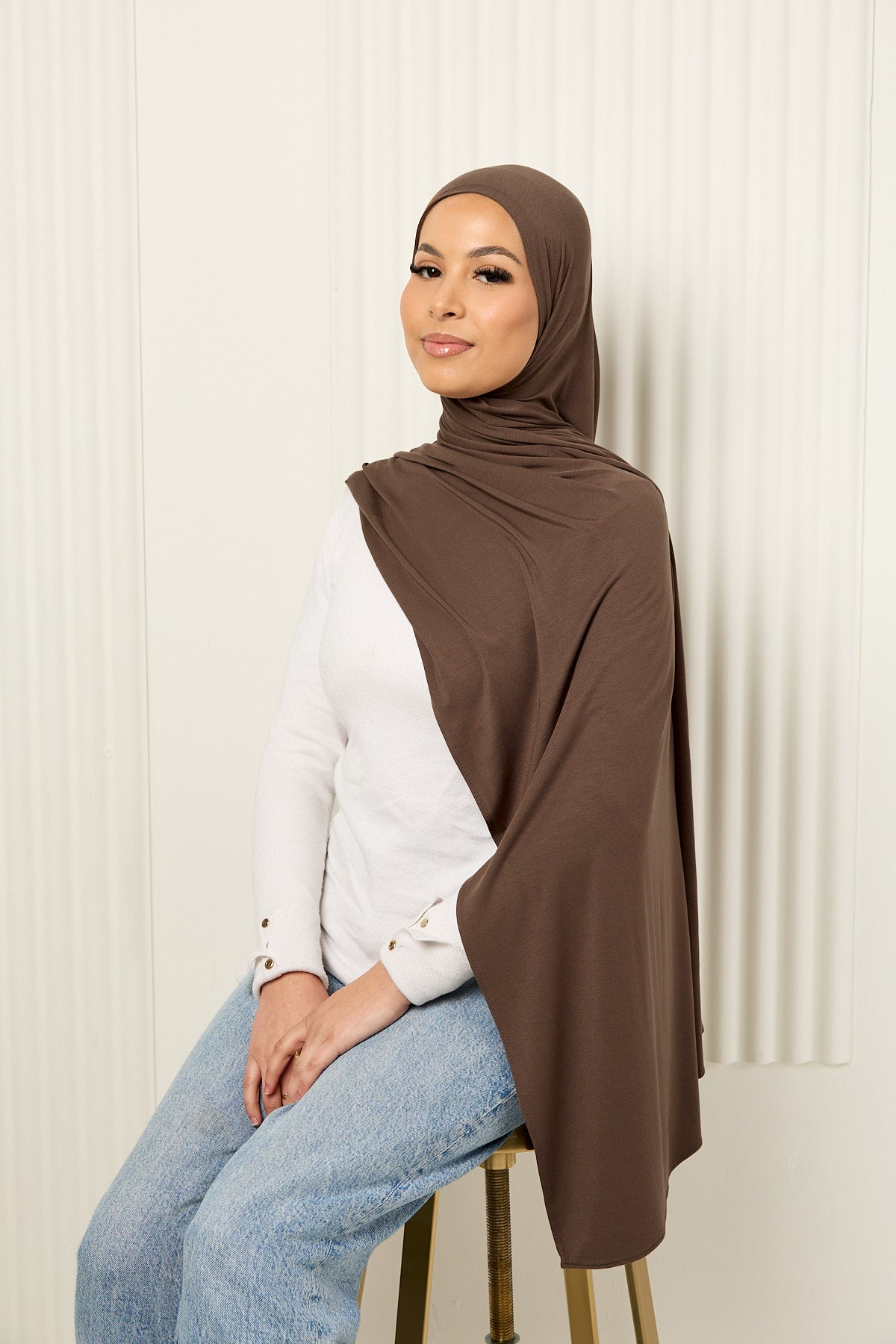
Understanding What's Actually Happening When a Hijab Causes Acne
Dermatologists have a specific name for this, and it's worth knowing. Breakouts caused by fabric are classified as acne mechanica, a distinct type of acne caused by physical factors rather than hormones alone, and it's genuinely common among hijab wearers.
Pressure and friction, the mechanical factor
Fabric pressing against the jaw and chin for hours at a time, combined with the friction of everyday movement, talking, eating, nodding, irritates the skin and can trigger a response called follicular hyperkeratosis.
Skin cells begin clogging pores faster than the body can shed them, which is what leads to blackheads, whiteheads, and, in more persistent cases, deeper, sorer breakouts.
Occlusion and trapped moisture, the environmental factor
Covering the same area for a full day creates a warm, humid environment underneath, exactly the conditions sweat, oil, and bacteria need to build up. Fabrics that don't allow air to circulate compound this, since heat and moisture have nowhere to go. This is the same underlying mechanism behind hijab-related hair and scalp concerns, which we cover in our guide to hijab hair loss, trapped heat and friction affecting skin in one case, hair in the other.
Product and oil transfer, the hygiene factor
A hijab worn repeatedly without washing accumulates oil, product, and bacteria, which transfers straight back onto the skin each time it's worn. This one is entirely within your control, and it's often the single easiest factor to fix.
Early Signs Worth Noticing
Hijab-related breakouts tend to follow a distinctive pattern, which makes them fairly easy to identify once you know what to look for.
- Breakouts concentrated along the jawline, chin, and temples, rather than scattered across the whole face
- A pattern that traces where the fabric sits and presses, rather than appearing randomly
- Small, uniform bumps rather than the larger, more varied breakouts typical of hormonal acne
- Breakouts that worsen through the day, or after particularly warm, long hours of wear
None of these are cause for alarm on their own. They are simply the skin's quiet way of pointing to fabric and heat, rather than something else entirely, as the likely cause.
The Bamboo Jersey Hijab, a Breathable Choice for Skin Health
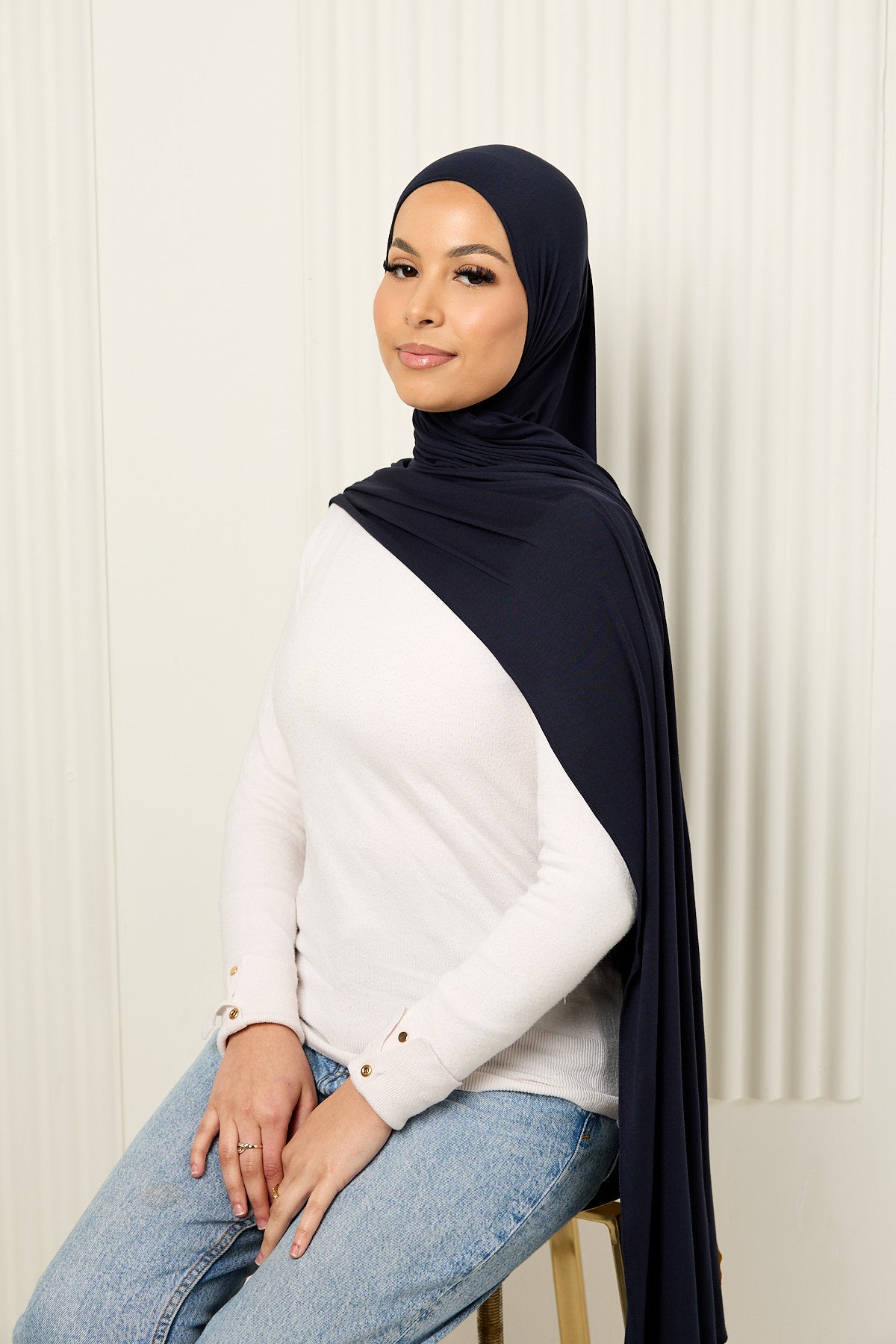
Fabric plays a quieter role in this than most people realise. A coarser or non-breathable weave holds heat and moisture directly against the skin, while a naturally breathable fabric allows that same heat to escape rather than build up.
This is where the Bamboo Jersey Hijab earns its place. It's hypoallergenic, highly moisture-absorbent, and quick-drying, which directly addresses the trapped heat and moisture that contribute to breakouts along the jawline. We cover its full range of benefits in our piece on why bamboo is worth choosing, and the same properties that make it gentler on hair make it gentler on skin too. Available in 12 colours at 180cm x 70cm.
Building a Considered Routine
Fabric is only part of the picture. A few unhurried, consistent habits make a meaningful difference alongside it.
- Wash your hijab regularly. A build-up of oil, sweat, and product transfers straight back onto the skin, washing after a few wears rather than many prevents this entirely
- Choose breathable fabrics for everyday wear. Bamboo, modal, and cotton all allow more airflow than coarser or synthetic weaves, reducing the heat and moisture that contribute to breakouts
- Cleanse thoroughly at the end of the day. Removing accumulated sweat, oil, and product before bed gives skin a genuine chance to recover overnight
- Avoid wrapping too tightly at the jaw and chin. A slightly looser fit reduces the pressure and friction that trigger acne mechanica in the first place
For a deeper look at fabric choice specifically, our guide to the best hijab fabric for sensitive skin covers this in more detail, the same principles that help sensitive skin generally apply directly here.
When to See a Professional
Most hijab-related breakouts are gradual, fabric-driven, and respond well to the changes above within a few weeks. It's worth knowing, though, where the line sits between everyday breakouts and something that deserves proper attention.
A dermatologist appointment for persistent acne typically involves a conversation about your routine and fabric habits, followed by an examination of the breakout pattern itself, whether it's concentrated where fabric sits, and whether it responds to standard acne treatments. In some cases, deeper, cystic breakouts benefit from prescription treatment that over-the-counter products simply can't match.
It's worth booking that conversation if any of the following apply:
- Breakouts are deep, painful, or cystic, rather than typical blackheads or whiteheads
- There's no improvement after several weeks of breathable fabric and a consistent cleansing routine
- Breakouts leave scarring or dark marks that don't fade on their own
- The pattern doesn't match fabric contact, which may point to a hormonal or other underlying cause
Frequently Asked Questions
Can a hijab cause acne?
Not directly, but certain factors that come with wearing one can. Friction, trapped heat and moisture, and product transfer from an unwashed hijab are all recognised contributors, a pattern dermatologists classify as acne mechanica.
Can a hijab cause skin problems beyond acne?
Yes, the same friction and trapped moisture that contribute to breakouts can also cause general irritation or sensitivity, particularly for those with already reactive skin.
What fabric is best to prevent hijab-related breakouts?
Breathable, moisture-wicking fabrics like bamboo, modal, and cotton reduce the trapped heat and moisture that contribute to acne mechanica, unlike coarser or synthetic weaves that hold both against the skin.
How often should I wash my hijab to prevent breakouts?
Washing after a few wears, rather than many, prevents the build-up of oil, sweat, and product that transfers back onto the skin. If breakouts are a concern, washing more frequently is a simple, effective first step.
Why Alkareem London
Alkareem London has been designing modest fashion in-house since December 2020, with every piece ethically made in Dubai. Each hijab ships from the UK in 2-3 working days for £3.99, with returns and exchanges accepted on all items except sale.
Curious about bamboo for yourself? Shop the full hijab collection, including bamboo, modal, and cotton silk.

A proper hijab guide for curly hair, why curls behave differently underneath one, and the fabric and styling changes that genuinely protect them.

Five hijab trends worth building your autumn wardrobe around, from the fabrics leading the season to the colours and prints defining it.

Everything worth knowing about wearing grey, why it works, how to style it by occasion, and our own hand-beaded grey abaya, the Khadeejah.

White abaya: a complete style guide, its history, what to check before you buy, how to style it, and our two picks, in white and off-white.

The complete work abaya guide, which colours, cuts and fabrics read as professional, plus our top office abaya picks.

Open abaya vs closed abaya, the real differences in weather, colour, and everyday wear, plus our top picks in both styles.

Our top abaya picks for autumn, heavier fabrics, richer earth tones, and the pieces built for cooler weather, from corduroy to hand-beaded mustard.