
7 Reasons to Choose a Bamboo Hijab

Bamboo remains the quiet newcomer in most hijab drawers, yet it is quietly one of the most accomplished fabrics available. It is genuinely more sustainable to produce than cotton, it moisture-wicks rather than simply "breathing," it is hypoallergenic, and it carries natural UV protection few everyday fabrics offer. None of this is marketing polish, it comes down to the fibre itself. Here is exactly why it earns its place in a considered wardrobe.
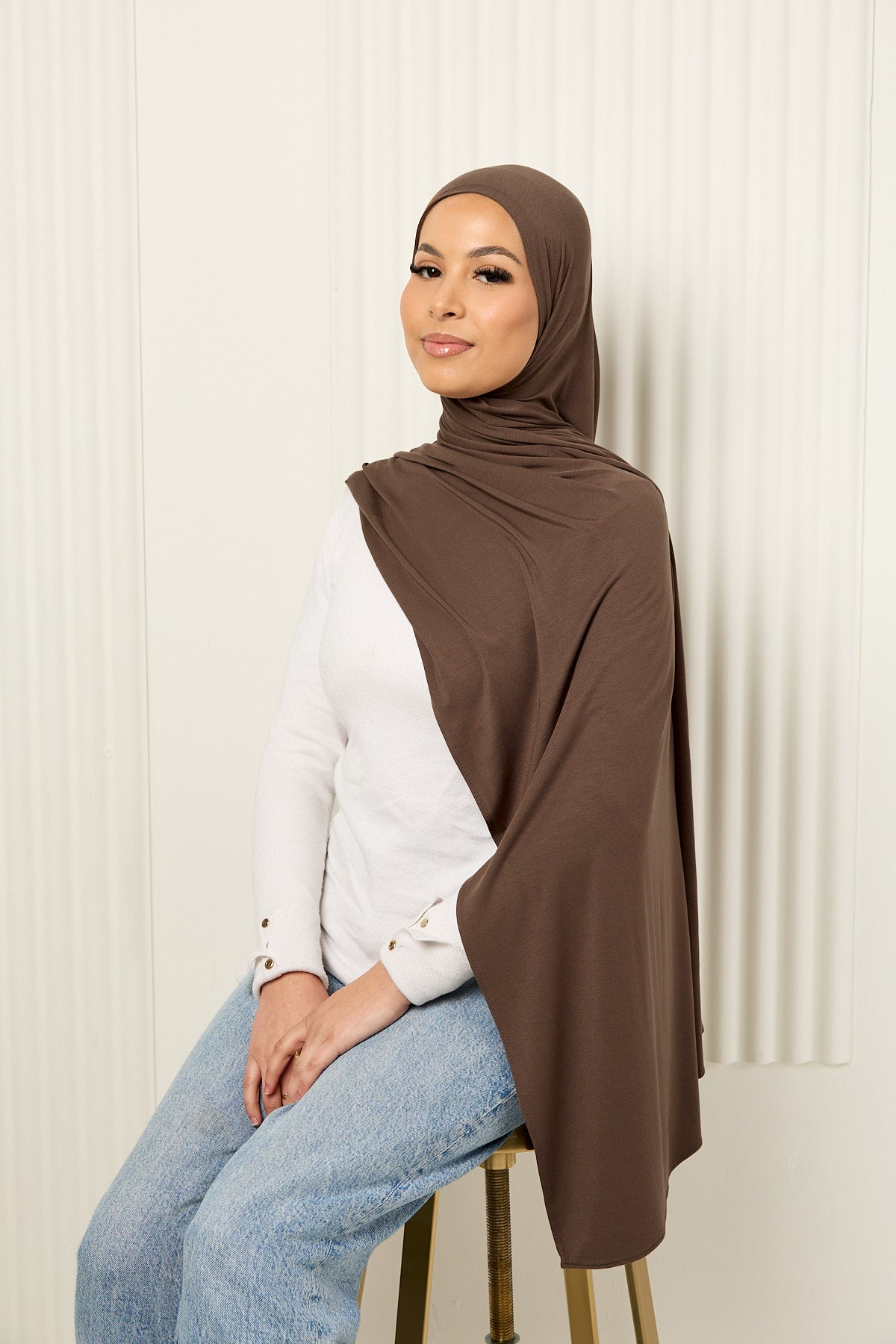
1. It Is One of the Lowest-Impact Fabrics You Can Wear
Bamboo is not sustainable by marketing, it is sustainable by biology. As a plant, it is remarkably self-sufficient:
- It grows without pesticides. Bamboo naturally resists pests, so commercial growing rarely needs the chemical inputs cotton farming depends on
- It needs far less water than cotton. Bamboo is not a thirsty plant, and it thrives on rainfall alone across most growing regions
- It regenerates without replanting. Bamboo grows from an underground root system, so a harvested plant regrows on its own rather than needing to be resown each cycle
- It is genuinely fast-growing. Certain species hold the Guinness World Record for the fastest-growing plant on Earth, up to 91cm in a single day, which is why bamboo can be harvested sustainably far more often than cotton or timber
2. Moisture-Wicking by Nature, Not Simply Breathable
Plenty of fabrics are described as breathable, fewer actively draw moisture away from the skin. The Bamboo Jersey Hijab is highly moisture-absorbent and quick-drying, so instead of holding warmth and sweat against the skin the way many synthetic fabrics do, it draws moisture away and dries quickly. It is a meaningfully different mechanism to simple airflow, and it is the reason bamboo performs so gracefully across a full day of wear.
3. It Is Hypoallergenic and Kind to Sensitive Skin
Bamboo's natural fibre structure makes it hypoallergenic, a genuine advantage for anyone who finds certain synthetic fabrics irritating against the hairline or neck. It is a soft, low-friction fabric from the outset, which matters most for sensitive skin or a scalp that reacts easily to rougher weaves.
4. It Comes With Natural UV Protection
Few everyday hijab fabrics offer this. The Bamboo Jersey Hijab carries natural UV protection, worth knowing if real time is spent outdoors in direct sun, whether that is a summer commute, the school run, or simply longer daylight hours through the warmer months.
5. It Is Gentler on Your Hair Than Most Everyday Fabrics
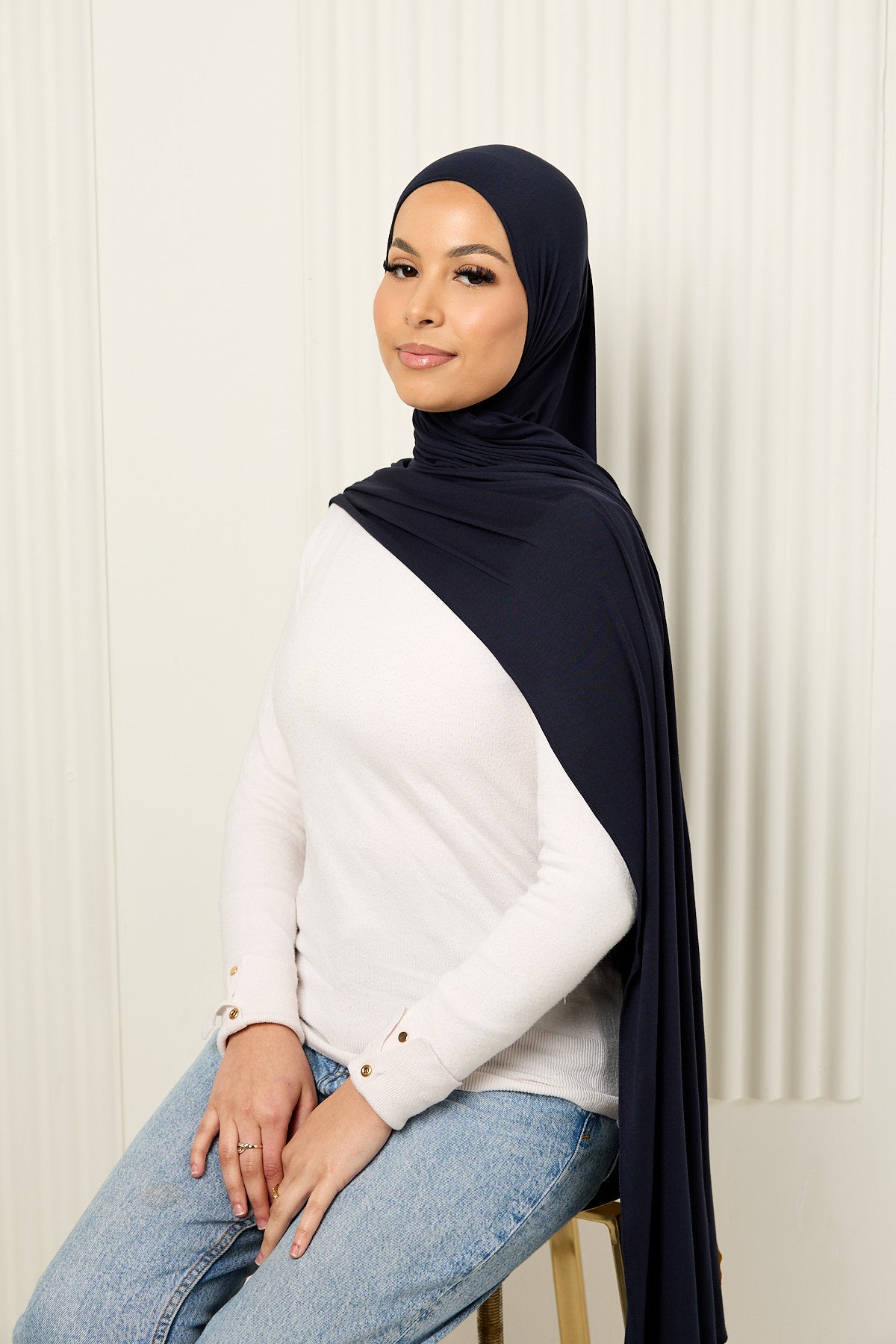
This is where bamboo's properties compound. We covered the mechanics in detail in our piece on hijab hair loss, friction and trapped moisture are two of the main contributors to hair thinning over time, and bamboo addresses both directly. Its moisture-wicking properties ease the damp conditions that affect scalp health, and its soft, silk-like texture creates less friction against hair than coarser or synthetic weaves. It is not a remedy for tight styling habits, but as a fabric choice, it is about as considerate of hair health as this category gets.
6. It Feels Closer to Silk Than a Typical Jersey
Sustainability aside, bamboo simply feels different in hand. The texture sits closer to silk or ultra-soft cotton than a standard jersey, so it reads as a considered, elevated choice rather than a purely functional one. It is a rare case where the most responsible option and the most luxurious one are one and the same fabric.
7. It Is Biodegradable at the End of Its Life
Unlike polyester or other synthetic blends, which can take decades to break down, bamboo is a natural fibre and returns to the earth far more readily once its life as a hijab is over. For anyone considering their wardrobe's full lifecycle rather than simply the point of purchase, that is a meaningful distinction.
Bamboo vs Cotton vs Polyester, at a Glance
| Bamboo | Cotton | Polyester | |
|---|---|---|---|
| Water use to grow | Low | High | None, but oil-derived |
| Pesticides typically needed | Rarely | Often | Not applicable |
| Moisture-wicking | Yes, naturally | Absorbs, dries slowly | Varies by treatment |
| Biodegradable | Yes | Yes | No, can take decades |
| Feel | Silk-like, soft | Soft, matte | Varies widely |
Our Bamboo Jersey Hijab, in Detail
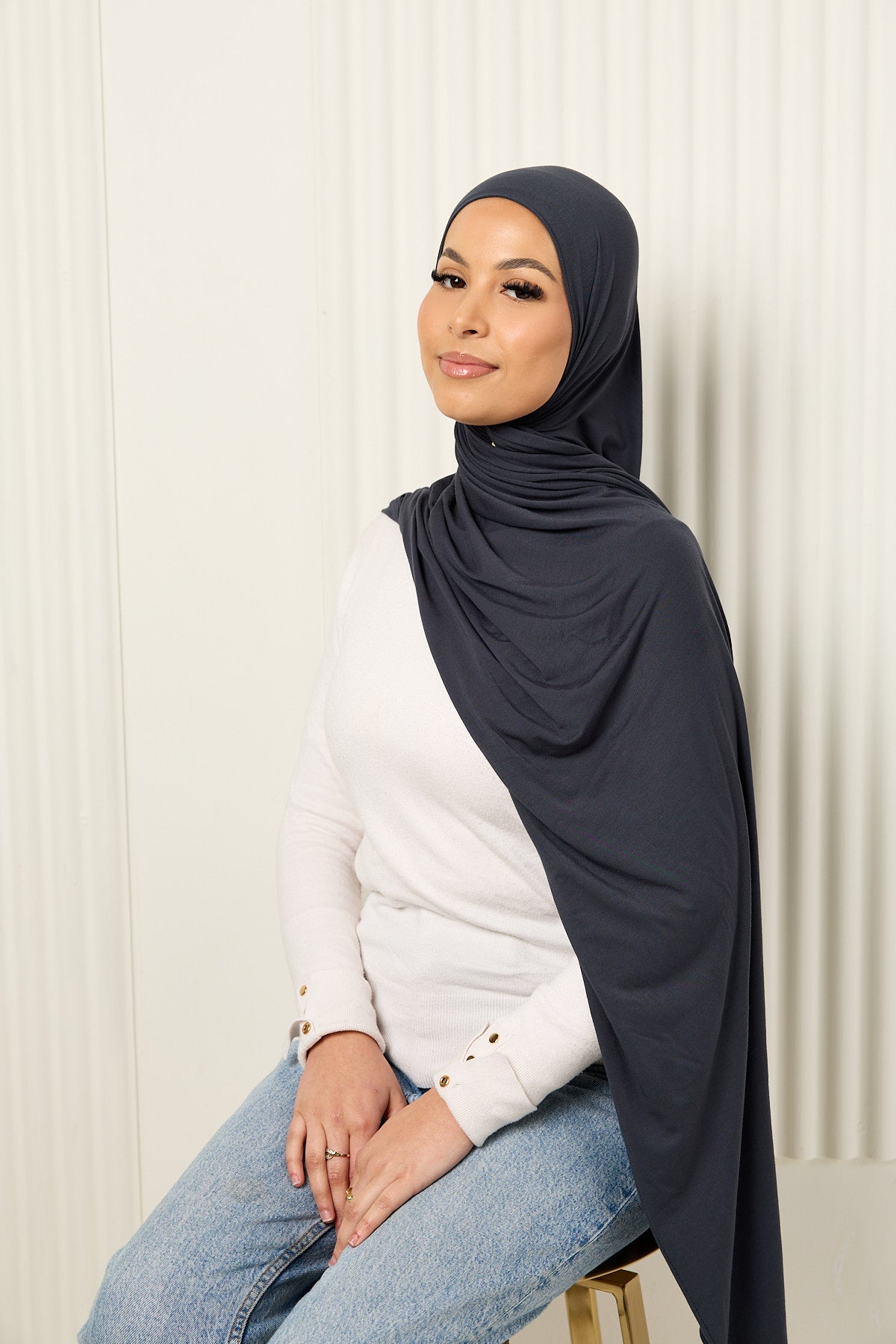
- Fabric: hypoallergenic, moisture-absorbent, quick-drying bamboo
- Feel: soft, closer to silk or ultra-soft cotton than a typical jersey
- Protection: natural UV protection built in
- Colours: 12 shades
- Size: 180cm x 70cm
- Care: wash at a maximum of 40°C, do not tumble dry, do not bleach, iron on low heat
Frequently Asked Questions
Is bamboo fabric actually sustainable?
Yes, genuinely. Bamboo typically needs far less water than cotton, rarely requires pesticides, regenerates from its own root system without replanting, and is one of the fastest-growing plants on Earth, some species can grow up to 91cm in a single day.
Is a bamboo hijab good for sensitive skin?
Yes. Bamboo fabric is naturally hypoallergenic and soft against the skin, which makes it a considered choice for sensitive skin or a scalp that reacts easily to rougher or more synthetic weaves.
Does bamboo fabric help with hair health?
It can help with two of the main contributors to hijab-related hair thinning, friction and trapped moisture. Bamboo's moisture-wicking properties keep the scalp drier, and its soft texture creates less friction against hair than coarser fabrics.
Is bamboo fabric breathable in hot weather?
Yes. Its moisture-wicking properties make it a strong choice for warm weather specifically, since it actively draws sweat away from the skin rather than simply allowing air to pass through.
Why Alkareem London
Alkareem London has been designing modest fashion in-house since December 2020, with every piece ethically made in Dubai. Each hijab ships from the UK in 2-3 working days for £3.99, with returns and exchanges accepted on all items except sale.
Ready to try bamboo for yourself? Shop the full hijab collection, including the Bamboo Jersey Hijab in all 12 colours.

A proper hijab guide for curly hair, why curls behave differently underneath one, and the fabric and styling changes that genuinely protect them.

Five hijab trends worth building your autumn wardrobe around, from the fabrics leading the season to the colours and prints defining it.

Everything worth knowing about wearing grey, why it works, how to style it by occasion, and our own hand-beaded grey abaya, the Khadeejah.

White abaya: a complete style guide, its history, what to check before you buy, how to style it, and our two picks, in white and off-white.

The complete work abaya guide, which colours, cuts and fabrics read as professional, plus our top office abaya picks.

Can a hijab cause acne? The real mechanism, acne mechanica, and the fabric and habit changes that genuinely help clear it up.

Open abaya vs closed abaya, the real differences in weather, colour, and everyday wear, plus our top picks in both styles.

Our top abaya picks for autumn, heavier fabrics, richer earth tones, and the pieces built for cooler weather, from corduroy to hand-beaded mustard.